At Provider Choice, belonging is one of our core values. It means building a unified, inclusive community where everyone is valued and no one is left out. It's something we think about not just in how we work, but in how we show up for the people and communities around us.
Global Accessibility Awareness Day this month got us thinking about what accessibility really means in practice, across the NDIS, in our communities and in daily life. What better way to honour our core value and shine a light on the day than to sit down with our very own Head of Belonging, Emily.
At Provider Choice, Emily is our resident quiz master, event organiser and team cheerleader. With our team spread all across Australia, she's one of the important threads that holds us all together.
Meet Emily
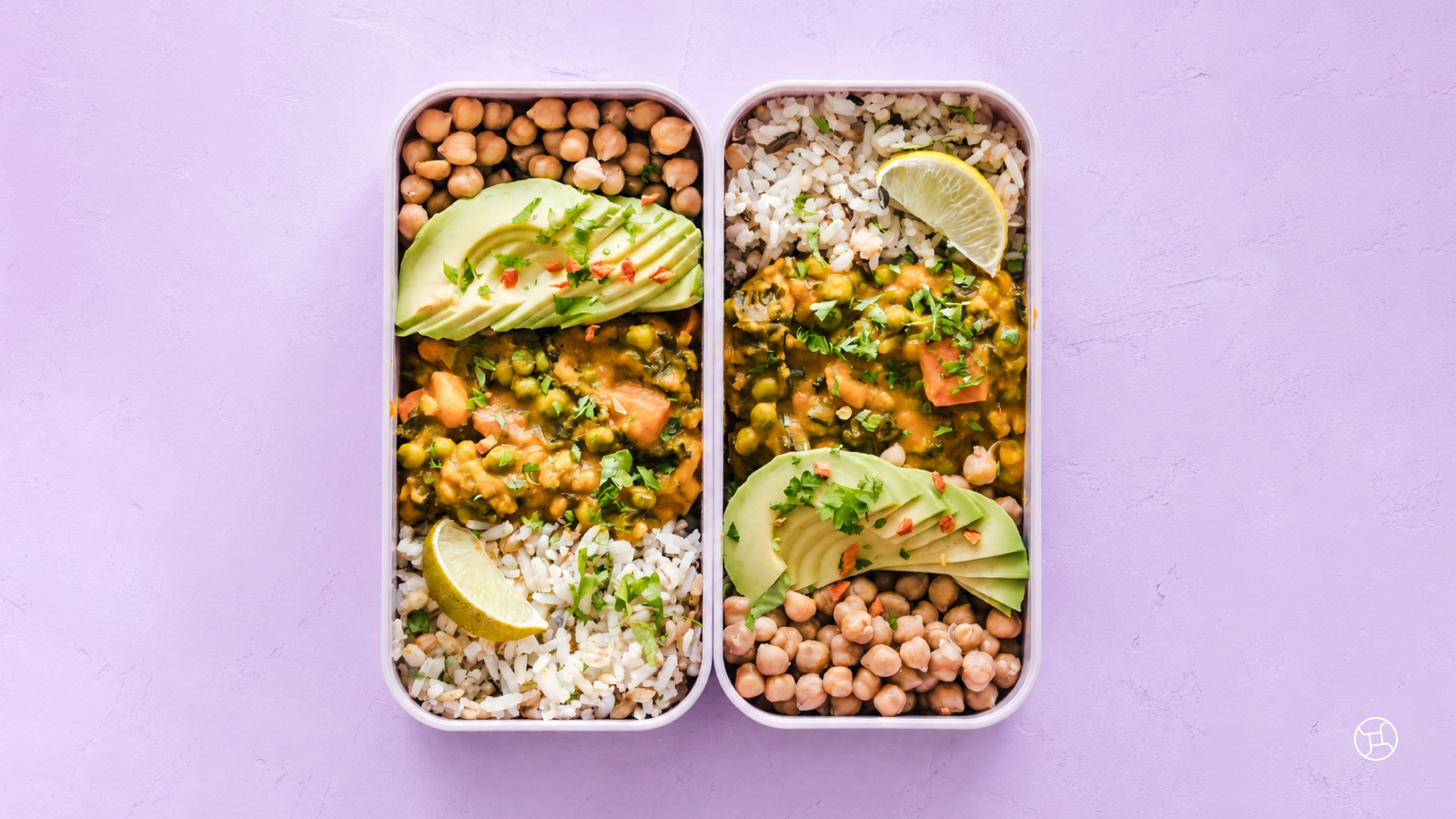
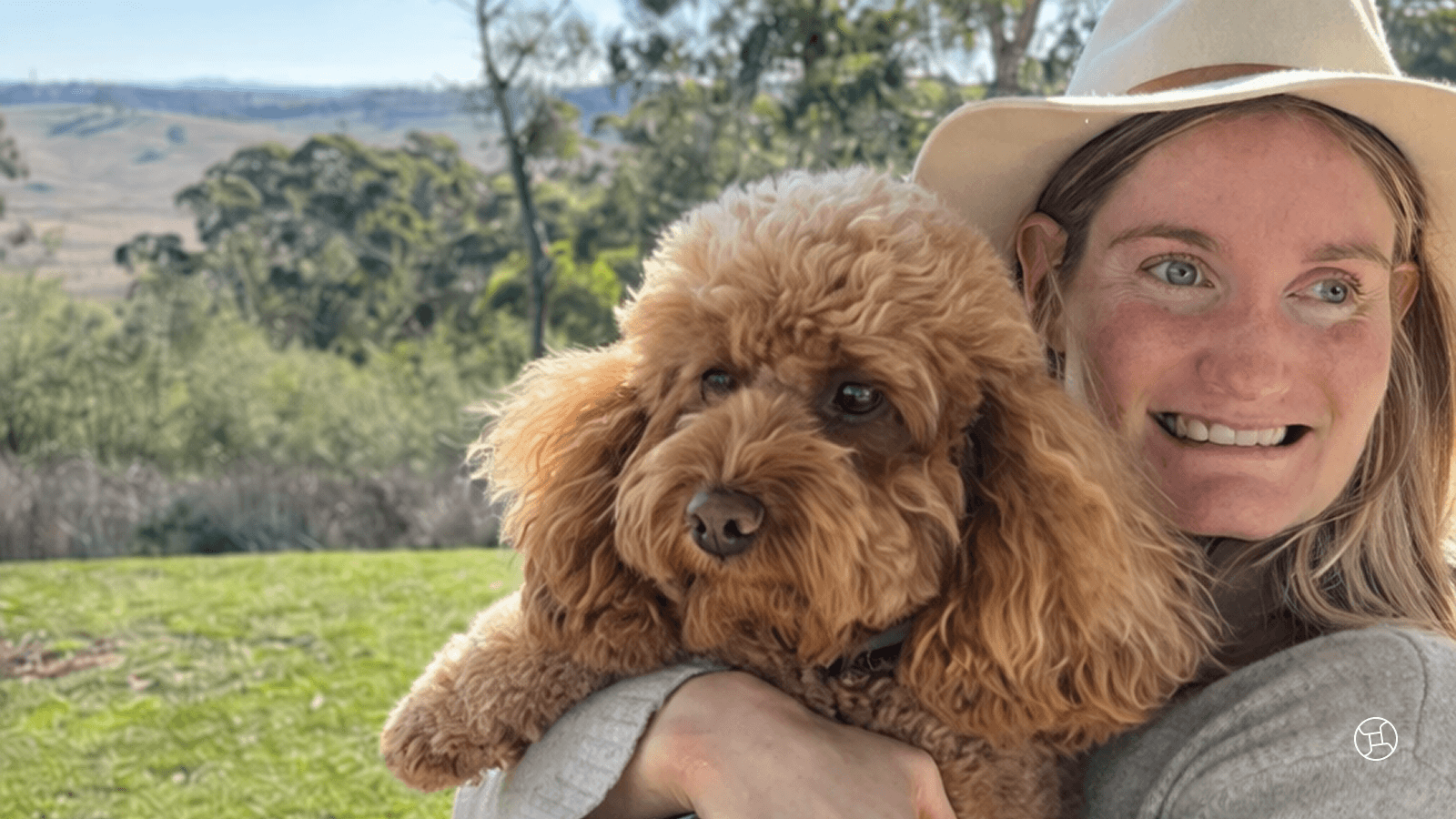
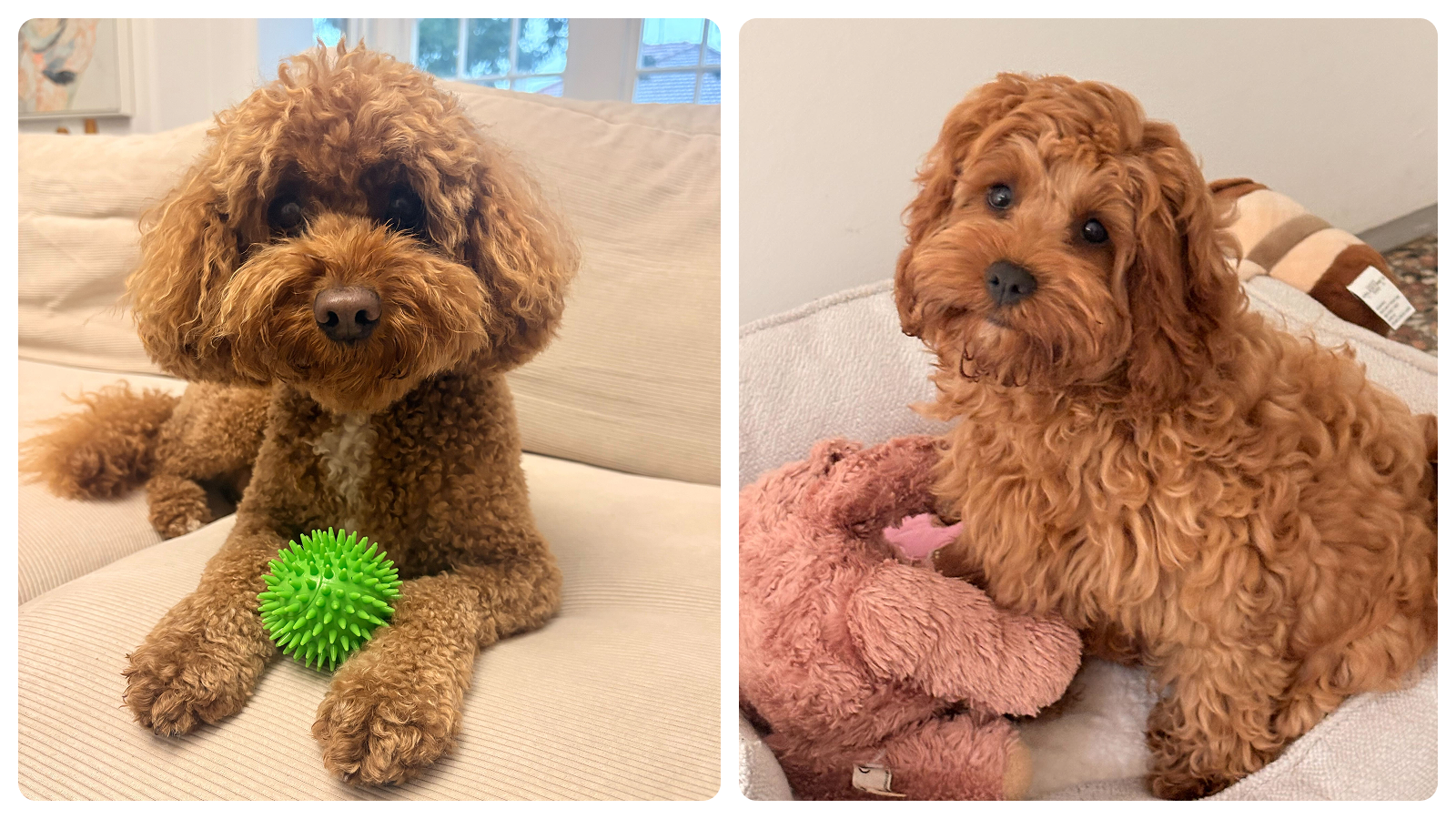
Emily is a self-described social butterfly and foodie with a particular love of Italian and Japanese cuisine. She has two cavoodles, Frankie and Bindi, who she adores, and has been kind enough to share some photos.
She lives with Familial Dysautonomia (FD), a rare congenital condition that affects her nervous system. She uses a wheelchair and walker as needed, and brings a depth of lived experience to conversations about what accessibility really means in practice.
Understanding Accessibility
Accessibility is about removing barriers, literal and figurative, so that people with disabilities can participate fully in everyday life. What that looks like is different for everyone.
For many people, parking at the far end of a car park or squeezing through a narrow walkway is a minor inconvenience. For someone who uses a wheelchair or walker, those same barriers can prevent them from going about their day entirely.
Emily knows this firsthand.
“Sometimes it's a bit hard getting around places because I have a physical disability.”
She shared experiences of rideshare drivers cancelling trips, and not being able to park close enough to a shop to safely run her errands.
“When they see my walker, they cancel on me.”
Accessibility in Action
“I don't let my disability define me. I'm pretty independent.”
To Emily, accessibility means everyone is treated equally, accepted and included. She's grateful for the people around her who don't make assumptions about what she can't do.
“My family and friends are very supportive and they treat me the same as they would anyone else.”
It was encouraging to hear how many positive experiences Emily had to share, including being able to ask for more accessible options at work, or to ask friends and strangers for help when she needs it.
“People are very kind and accepting in my opinion. It’s very easy to ask for help.”
What Can We Learn?
Emily raised an important point about visibility.
“Not all disabilities are visible.”
Many people live with invisible disabilities and still need accessible options to feel genuinely included. Emily hopes to see greater awareness and education so that people with disabilities feel accepted in all areas of life.
“Understand people and their stories.”
Above all, Emily's message is a simple one: see the individual, not the disability.
At Provider Choice, we believe that understanding the people we work with, their lives, their goals and their experiences, is what makes the difference.
If you're looking for a plan manager who takes the time to understand you, our Guru team is ready to help.
Provider Choice shares community stories to inform and inspire. While we highlight real experiences, we’re unable to recommend or endorse specific services or providers mentioned in our articles. The views and advice shared belong to the individuals interviewed.